Iditarod National Historic Trail
in Alaska
Iditarod National Historic Trail is hiking trail in Alaska maintained by U.S. Bureau of Land Management. This page summarises what we have from public sources (OpenStreetMap and trail-association data); always verify current conditions and trail status with the maintaining organisation before heading out.
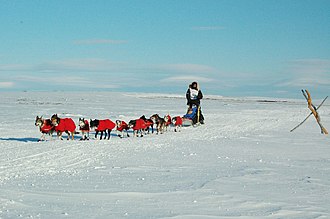
- States
- Alaska
- Network
- rcn (rcn)
- Maintained by
- U.S. Bureau of Land Management
- Centroid coords
- 63.1944°, -157.5689°
- OSM relation
- 7208153
Plan your hike
Maps + permits: long-distance trails like this often require permits for through-hiking, backcountry camping, or specific sections (especially in National Parks). Check with the maintaining organisation listed above and the relevant land manager before booking travel.
Water + supplies: water sources vary seasonally on most U.S. trails. Carry a filter and consult current trail-condition reports — through-hiker journals (PCT-L, AT Reddit, etc.) and the maintaining organisation publish regular updates.
When to go: hiking seasons vary widely with elevation, latitude, and snowpack. Through-hikers traditionally start the AT in March-April (Springer northbound) and the PCT in late April (Campo northbound). High-elevation western trails (CDT, JMT, Wonderland) generally aren't passable until July.
If you've hiked Iditarod National Historic Trail and have current notes (water sources, trail closures, permit changes), tell us at /contact — we update pages as we learn.
Sources
Trail data on this page is compiled from OpenStreetMap contributors (ODbL), the maintaining organisation's public-facing materials, and Wikipedia (CC BY-SA where excerpts are quoted). Distance, terminus, and descriptive text for nationally-designated trails are hand-curated from federal land-manager websites and trail-association sources. We do not modify the underlying data; this page presents what is already publicly recorded. To suggest corrections, see our methodology page.